Loading...
Serving Apple Valley, CA and surrounding areas. (442) 446-6233
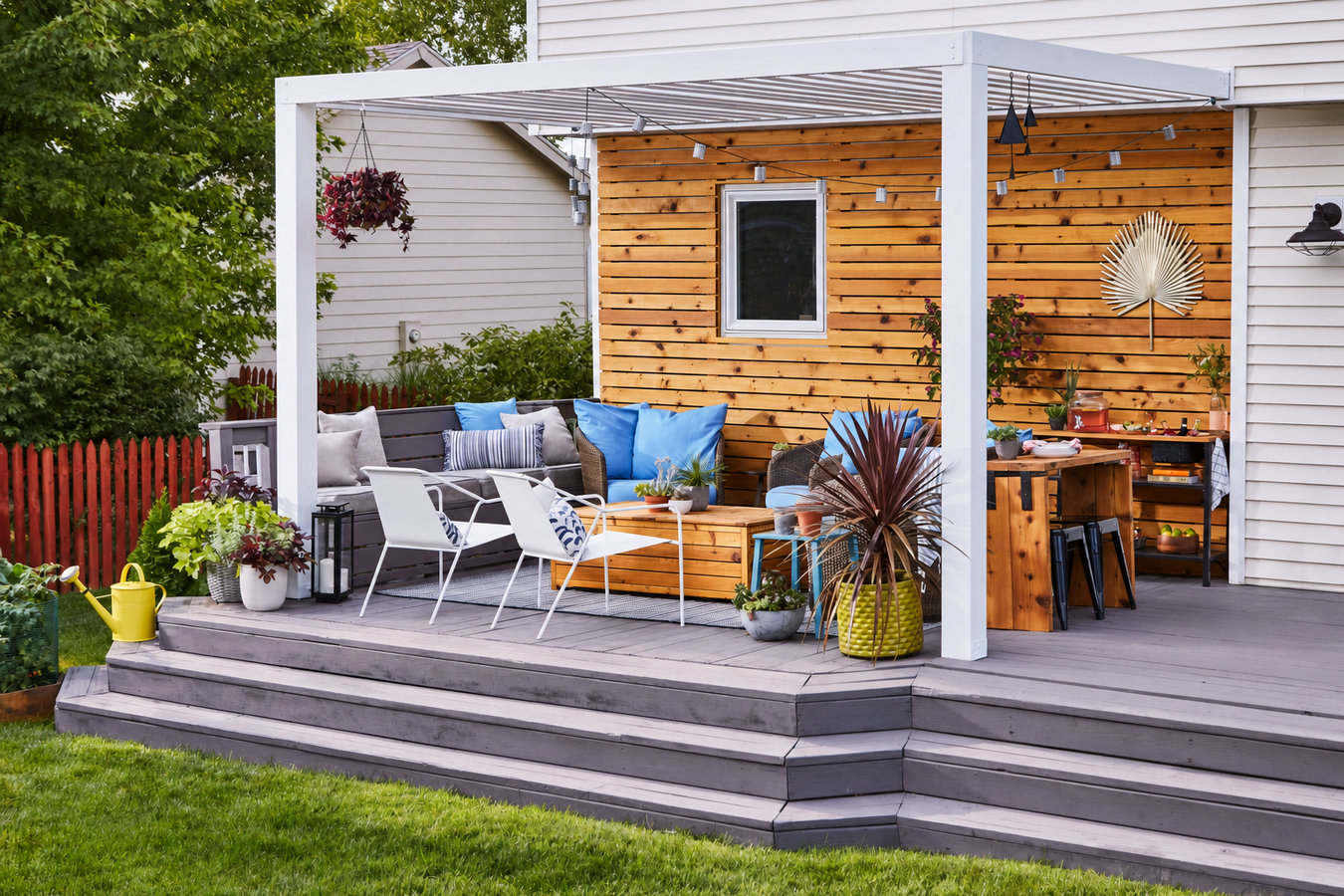
Apple Valley summers are brutal. A solid patio cover changes that - giving you a shaded, protected outdoor space your family will actually use, even in July.
Covered decks and patio covers in Apple Valley are permanent or semi-permanent roof structures built over an outdoor living area - most standard attached cover installations take one to three days once permits are approved and footings have cured.
In the Mojave Desert, a patio cover is not a luxury - it is what makes your outdoor space actually usable. Apple Valley summer temperatures regularly hit 100 degrees and beyond, and an uncovered patio can feel like standing on a griddle by 10 in the morning. A solid insulated cover drops the perceived temperature underneath significantly, turning a space you avoid into one your family uses every day. If you want to take the enclosure a step further and add bug screening, our screened-in porches and screened decks page covers that option.
Every project starts with a free on-site visit. We measure your space, assess the soil conditions, and talk through your options for roofing style, materials, and any extras like ceiling fans or lighting. We pull every permit, manage every inspection, and give you a written estimate that breaks out materials, labor, and permit fees before you sign anything.
If the heat makes your patio unusable for five or six months of the year, that is the clearest sign a covered structure would change how you live in your home. Apple Valley's summer sun is intense enough that an uncovered concrete patio can be uncomfortably hot by mid-morning. A solid patio cover with the right roofing material can drop the perceived temperature underneath by a noticeable margin.
The High Desert's UV exposure is severe, and materials that would last years in a coastal climate can degrade in a single season here without shade. If you are replacing outdoor cushions regularly or watching your patio surface crack and bleach, the sun exposure is more than your space can handle without protection. A solid roof stops that damage before it happens.
Ceiling fans and outdoor lighting need a solid overhead structure to attach to - you cannot hang them from a pergola lattice or a freestanding umbrella. If you have been wanting to make your outdoor space more functional in the evenings or cooler on hot afternoons, a covered patio gives you the structure to do it properly.
Apple Valley's afternoon wind events can make an uncovered patio miserable even on otherwise pleasant days. If you find yourself retreating inside every time the wind picks up, a solid-roof cover with partial side protection can make the space genuinely usable year-round - not just on calm mornings.
We build both attached and freestanding patio covers across Apple Valley and the surrounding High Desert. Attached covers connect directly to your home and feel like a natural extension of the living space - they are the most common choice here and work well with the ranch-style and stucco homes typical of the area. If you want to take the next step and fully enclose your covered space with screening, we can coordinate that work with our screened-in porches and screened decks service. For homeowners who prefer an open-air aesthetic with defined structure, we also build pergolas that can stand alongside or complement a covered patio.
Post footings on every project are dug and anchored specifically for Apple Valley's wind loads and caliche soil conditions - not the minimum spec you would use in a calmer climate. We factor in potential caliche during the estimate so there are no surprises once digging begins. All electrical rough-in for ceiling fans and lighting is handled as part of the same project. We pull the permit, schedule the Town of Apple Valley inspections - including the footing inspection before concrete is poured - and walk you through the finished structure at the end.
Suits Apple Valley homeowners who want maximum comfort - insulated panels block both direct sun and radiated heat from the roof surface, making a real difference on 100-degree afternoons.
Suits homeowners who prefer a traditional wood aesthetic with shingles or a corrugated metal roof surface, and who are committed to periodic sealing and maintenance in the desert climate.
Suits homeowners who want filtered light and an open, airy feel - best for mild seasons or spaces where full sun protection is less of a priority than visual appeal.
Suits homeowners who want covered space in a part of the yard away from the house - on its own posts, positioned wherever the lot and landscape make most sense.
Apple Valley sits in San Bernardino County's High Desert at nearly 3,000 feet, where summer temperatures regularly exceed 100 degrees and UV intensity is among the highest in California. A patio cover without solid insulated roofing can still feel unbearably hot underneath because radiant heat passes right through thin materials. Homeowners here get the most comfort from insulated solid-roof panels or well-ventilated wood structures that block both direct sun and radiated heat from the roof surface. On top of the heat, the High Desert is known for powerful Santa Ana and seasonal wind events that can gust well above 50 mph. Apple Valley's local building requirements reflect this - post footings must be dug deeper and anchored more securely than in coastal California cities. The North American Deck and Railing Association identifies ledger board attachment and post footing depth as the two most common failure points in patio covers - both of which matter even more in a high-wind climate like ours.
Permits are not optional here. All permanent patio covers in Apple Valley require a building permit through the Town of Apple Valley, and inspections are required at the footing stage and again at framing completion. A significant number of Apple Valley neighborhoods - particularly those built after 1990 - also fall under HOA rules that govern the appearance and materials of outdoor structures. Both processes need to be started before construction begins. Homeowners in Yucca Valley and Victorville face similar requirements, and we handle patio cover projects throughout the High Desert region.
We ask a few basic questions - the size of your patio, whether you want an attached or freestanding cover, and whether your neighborhood has an HOA. We respond to all inquiries within one business day and schedule a free site visit rather than quoting over the phone.
We measure your space, note the soil conditions and how your home is built, and talk through roofing style, materials, and any extras like fans or lighting. You get a written estimate within a few days that breaks out materials, labor, and permit fees separately.
Once you sign, we submit the permit application to the Town of Apple Valley. If you have an HOA, we help you prepare what they need so both processes can run at the same time. Permit approval typically takes two to four weeks - we keep you updated throughout.
Most standard attached covers take one to three days to install. Day one is footings, day two is framing and attachment to your home, day three finishes the roof surface and any electrical. The Town of Apple Valley inspector visits at the footing stage and at completion - we schedule both and are present for each.
We handle permits, HOA paperwork, and every step of the build. No obligation to reach out.
(442) 446-6233We set post footings to the depth and anchor specifications required for Apple Valley's wind loads and caliche soil - not the minimum you would use in a calmer climate. We also account for caliche during the estimate so there are no surprise charges when the crew hits a hard layer during digging. A patio cover that was not built for this area will tell you that within the first wind season.
Every patio cover we build in Apple Valley is permitted and inspected through the Town of Apple Valley Building and Safety Division. We handle the application, attend both inspections - footing and final - and leave you with a closed permit on file. That document matters when you sell: permitted structures are assets, unpermitted ones are problems.
A significant number of Apple Valley neighborhoods - particularly those built after 1990 - have HOA rules about outdoor structures. We know the Apple Valley HOA landscape and help you prepare the right materials for architectural review so approval can run at the same time as your town permit. No surprise violation notices after the build.
We give you a written estimate that separates materials, labor, and permit fees - so when you are comparing bids, you are comparing the same things. Vague lump-sum estimates from contractors who have not visited your property are rarely accurate once digging starts, especially in High Desert soil. Our estimates are based on a real site visit and account for local conditions upfront.
We are a California-licensed contractor with active project history throughout Apple Valley and the High Desert. Every patio cover we build comes with written warranty information at the final walkthrough - so you know exactly what is covered and who to call.
Open-beam pergola structures for homeowners who want defined outdoor space and partial shade without a solid roof.
Learn MoreTake your covered patio a step further by adding mesh screening that keeps out bugs, dust, and direct sun.
Learn MorePermit slots fill up fast in Apple Valley - reach out now to get your project on the schedule before summer heat sets in.