Loading...
Serving Apple Valley, CA and surrounding areas. (442) 446-6233
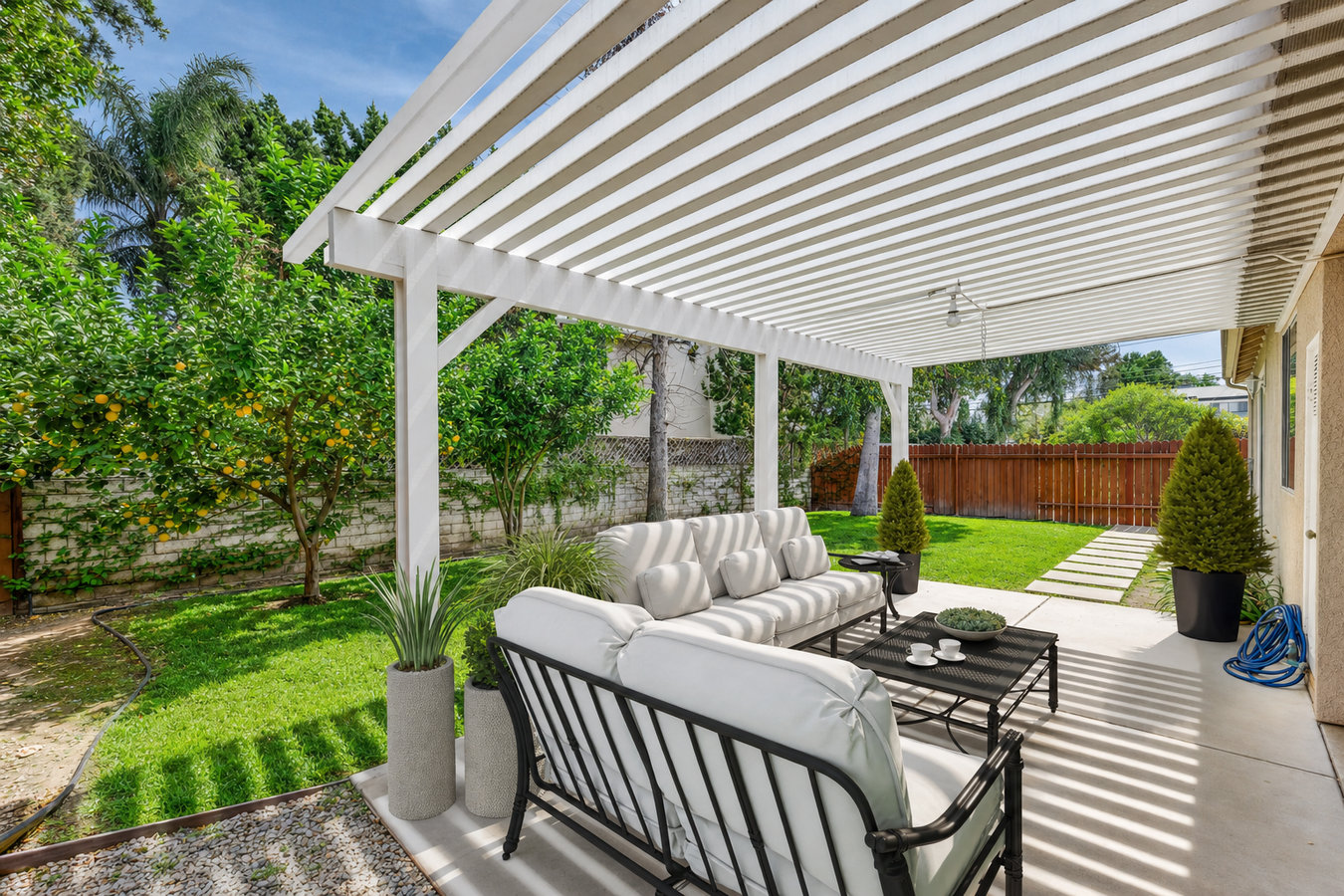
Apple Valley summers push past 100 degrees and the wind can knock a poorly built structure sideways. We install pergolas designed for High Desert conditions - properly anchored, permitted, and built to last.
Pergola installation in Apple Valley creates an open-beam shade structure over your patio or yard - giving your outdoor space a defined feel without blocking light or airflow - and most standard installations are completed in one to three days once the permit is approved and materials are on site.
A lot of Apple Valley homeowners have a plain concrete slab out back with nothing above it. The sun makes it unusable for most of the day from May through September, so the yard goes to waste during the best outdoor-living months. A pergola gives that space a purpose - a shaded place to sit, cook, or entertain - without the full enclosure of a covered patio. If you want something with a solid roof to block weather and full sun, our covered decks and patio covers page covers those options. A pergola is the right call when you want filtered light and airflow with a sense of structure.
We handle the full process - site visit, design conversation, permit application with the Town of Apple Valley, installation, and final inspection. You do not need to manage the permit paperwork yourself.
If your patio is empty from May through September because there is nowhere to get out of the direct sun, a pergola is the most direct fix. Apple Valley's heat is intense enough that an unshaded slab can feel like standing on a griddle by mid-morning. A pergola with shade fabric or climbing cover drops the perceived temperature and makes the space livable again.
Many Apple Valley homes were built with a concrete patio and nothing else. If you eat inside because the outdoor area feels exposed and unfinished, a pergola gives that space a sense of structure and purpose. It is the difference between a bare slab and an actual outdoor room - without the full cost of a covered addition.
If you feel on display every time you sit outside, a pergola with lattice panels or climbing plants creates a sense of privacy without building a solid wall. This is common in newer Apple Valley subdivisions where lots sit close together and fencing alone does not provide much visual separation at eye level.
If you have an older wood pergola with cracked posts, sagging beams, or wood that feels soft when pressed, the structure has likely been compromised by years of desert sun and wind. A damaged pergola is not just an eyesore - it can be a safety risk if a beam or post fails during a High Desert wind event. Replacement is often the right call rather than patching.
We build both attached and freestanding pergolas, and each is sized and anchored for the wind loads common in the Victor Valley. An attached pergola connects to the exterior wall of your home and works well when you want the structure to feel like a natural extension of the house. A freestanding pergola stands on its own posts anywhere in your yard - useful if you want shade over a fire pit area or seating space away from the house. For homeowners who want to go further, we can pair a pergola with an outdoor kitchen deck to create a complete entertaining area, or combine it with a covered patio structure if you need something more weatherproof alongside the open-beam section.
Post footings go below the depth required by local code - not into shallow holes that shift over time. We use beam-to-post hardware rated for the wind exposure category in this area, and we recommend materials specifically suited to High Desert UV and temperature swings: redwood, cedar, or low-maintenance aluminum. If you want electrical roughed in for a ceiling fan or lighting - which makes a real difference in Apple Valley summer heat - we coordinate that during the build so it is not an expensive afterthought.
Suits homeowners who want the pergola to feel like a direct extension of the house, connecting to an exterior wall and sharing structural support with the building.
Suits homeowners who want shade over a specific yard area - a fire pit, garden seating, or pool surround - independent of the house structure.
Suits Apple Valley homeowners who want to block more direct sun than open beams alone provide, using a retractable or fixed fabric canopy for adjustable coverage.
Suits homeowners who plan to add a ceiling fan, string lights, or hardwired fixtures - coordinated during the original build so electrical work is clean and permitted.
Apple Valley sits in the Mojave Desert at nearly 3,000 feet, where summer temperatures regularly exceed 100 degrees and UV exposure is intense year-round. Untreated or low-quality wood can crack, warp, and fade much faster here than in coastal or inland valley climates. The Victor Valley is also known for strong wind events - gusts well above 50 mph are not uncommon - which means a pergola needs deeper footings and more secure beam connections than a contractor used to building in calmer areas would typically use. When you get quotes, ask each contractor specifically how they handle wind loads in this area. A good local answer sounds specific. A vague one is a red flag.
High desert soil conditions add another layer of complexity. Much of Apple Valley sits over caliche - a hard, calcium-rich layer that can sit just a foot or two below the surface and requires a power auger or jackhammer to dig through properly. A contractor who has not worked in this area may not account for caliche when pricing the job, which leads to upcharge surprises once digging starts. We assess soil conditions during the estimate visit and price accordingly. Homeowners in Victorville and Hesperia face the same soil and wind conditions, and we build to the same standard across the Victor Valley.
When you reach out by phone or through our contact form, we reply within one business day. The first conversation covers your basic needs - size, attached or freestanding, rough budget - so we can set up the right type of on-site visit.
We visit your property, measure the space, check soil conditions, and review design options with you - materials, size, shade features, electrical needs. You leave the meeting with a written quote, not a ballpark range.
We handle the permit application with the Town of Apple Valley's Building and Safety Division. Approval typically takes one to several weeks depending on current workload. We keep you updated so the wait does not catch you off guard.
Once the permit is approved, the crew sets posts in concrete, frames the beams, and completes the overhead structure - usually in one to three days. After the city inspection, we do a walkthrough covering maintenance for your specific materials and desert conditions.
Free on-site estimate. We handle permits. No pressure to commit until you have a written quote in hand.
(442) 446-6233We anchor every post to the concrete footing depth required for the wind exposure category in this area - not to a generic standard. That means your pergola does not lean, shift, or partially collapse after the first strong High Desert wind event. It is the detail that separates a structure built for this area from one built anywhere.
We submit the permit application, track approval with the Town of Apple Valley, and coordinate the inspection. You do not have to manage any of that paperwork yourself. A permitted pergola is also a protected asset - it does not create liability when you sell your home or file an insurance claim.
We recommend wood species and finishes that hold up to Mojave UV and temperature swings - redwood, cedar, or aluminum - not whatever is cheapest in the moment. A pergola built with the right materials for this climate looks good in year five, not just on installation day. The North American Deck and Railing Association sets the industry standards we follow for outdoor structure materials and installation.
A significant portion of Apple Valley's neighborhoods have HOA design review requirements. We know how to work within common HOA guidelines and can help you prepare the documentation for your submission before a single post goes in the ground. No violation letters, no costly modifications after the fact.
Every one of these points matters more in the High Desert than in a milder climate. Wind anchoring, desert-appropriate materials, and permit compliance are not extras here - they are the baseline for a pergola that actually holds up and adds value to your property.
Combine your pergola with a built-in grill station, countertops, and utility connections to create a complete outdoor entertaining space.
Learn MoreA solid-roof patio cover or covered deck gives you full weather protection alongside or instead of an open-beam pergola.
Learn MoreSchedule fill up fast heading into summer - reach out now and we will get your on-site visit booked before the season starts.